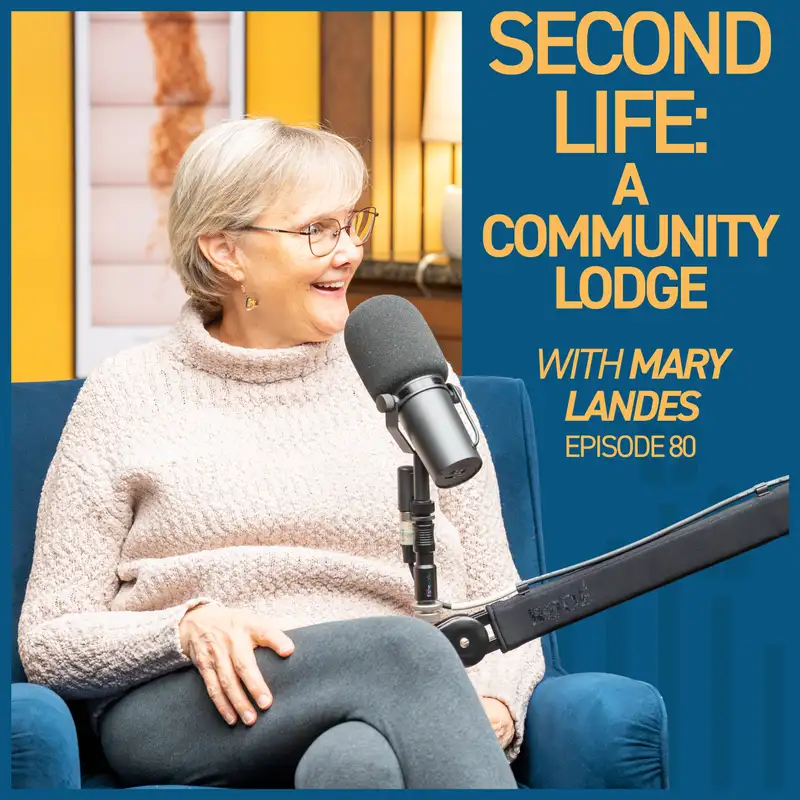
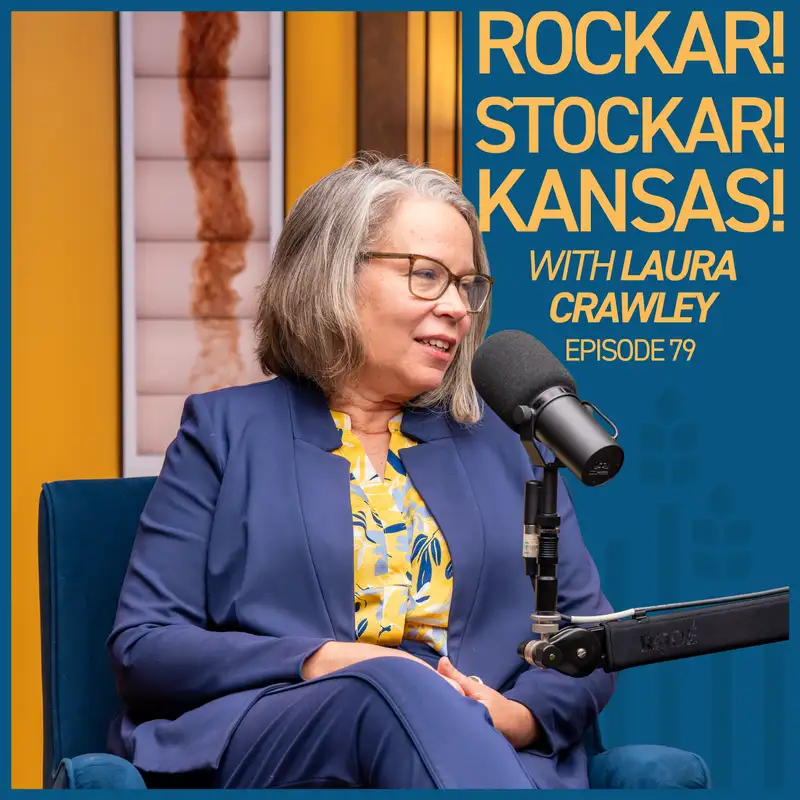
What happens when one person looks at a crumbling, century-old Masonic temple and sees not a problem, but a home for every dreamer in town? Mary Landes did exactly that. After moving back to Salina from the East Coast, she took a building that most people had never set foot in, started a nonprofit, worked without pay for years, and turned it into a thriving co-working space, event venue, and community hub. Along the way, she discovered that a building with seven floors, 16 bars, a three-story theater, and 104 hand-painted stage backdrops might just come with a few ghosts, too. Plus, we taste-test a table full of snacks made right here in Kansas.
Highlights
A pilot skywrites "Happy Halloween" with a Ghostbusters drawing over southeast Kansas, tracked by his transponder, not smoke.
Mary Landes left Salina to live everywhere from Connecticut to North Carolina to Philadelphia before coming home with a big idea.
The Temple is a seven-floor former Masonic temple in downtown Salina, built from limestone quarried at the same source as U.S. capitol buildings.
Mary started the Salina Innovation Foundation, forming a nonprofit to save the building after the Masons could no longer maintain it.
She was not paid for years while building the co-working space.
The co-working space has hosted everything from dog obedience classes to attorneys, photographers, therapists, a Venezuelan destination photographer, and a security company that grew to over 100 employees.
The Temple contains a three-story theater that seats 1,500, with 104 hand-painted canvas backdrops from 1905, the only complete collection still together in the United States.
Security cameras have captured orbs moving through the building on three different feeds, and paranormal groups regularly hunt there.
The Temple turns 100 in 2027, and Mary is working on elevators, accessible bathrooms, and climate control to modernize the building.
The Masons' original lodge burned down twice, the replacement collapsed during construction, and they rebuilt it to last.
In the 1940s, the Temple served as a USO club with as many as 5,000 people at dances.
Tony's Pizza started in downtown Salina when Charlie Walker experimented with freezing and reconstituting pizza.
Sydney and Gus taste-test Kansas-made snacks including cherry cheesecake popcorn, gingersnap bites, garlic parmesan pork rinds, freeze-dried candy, and honey sticks.
Chapters
0:00 — Plane Art Surprise
2:07 — Meet Mary Landes
3:49 — What Is The Temple
4:12 — Mary's Journey Home
5:20 — Coworking Inspiration
7:15 — Inside The Temple Tour
10:21 — Saving The Building
15:04 — Coworking Success Stories
20:00 — Downtown Vision
25:28 — 100 Years And Upgrades
26:25 — Ghosts And Orbs
28:19 — Temple Origins And Collapse
30:46 — Masonic Heyday Events
31:40 — Artifacts And Ghost Energy
32:55 — Top Floor Views History
34:25 — Paranormal Hunts Hotspots
36:00 — Modern Upgrades Accessibility
38:57 — Theater Backdrops Treasure
42:13 — How To Visit Contact
42:28 — Saving Historic Buildings
45:55 — Kansas Made Snack Taste Test
53:13 — Wrap Up Credits Farewell
Resources Mentioned
The Temple Phone: 785-201-3132
Wilkins Acres General Store
From the Land of Kansas
Twisted Pepper Company
Schlegel's Popcorn
Perry's Pork Rinds
King's Candy Shop
AJ Honey Farms
Fili Creative
Forge Podcast
Learn more about the podcast at askakansan.com!
This show is part of the ICT Podcast Network, for more information, visit ictpod.net